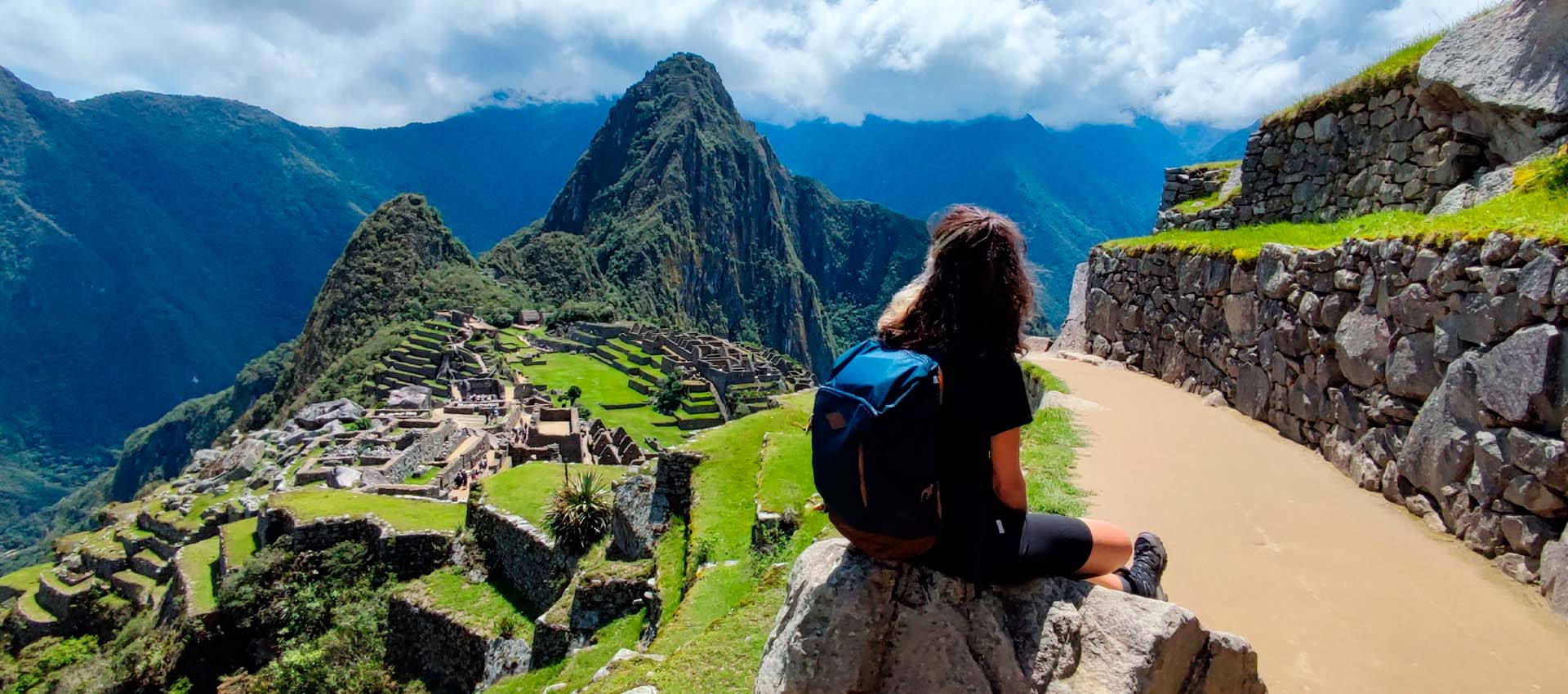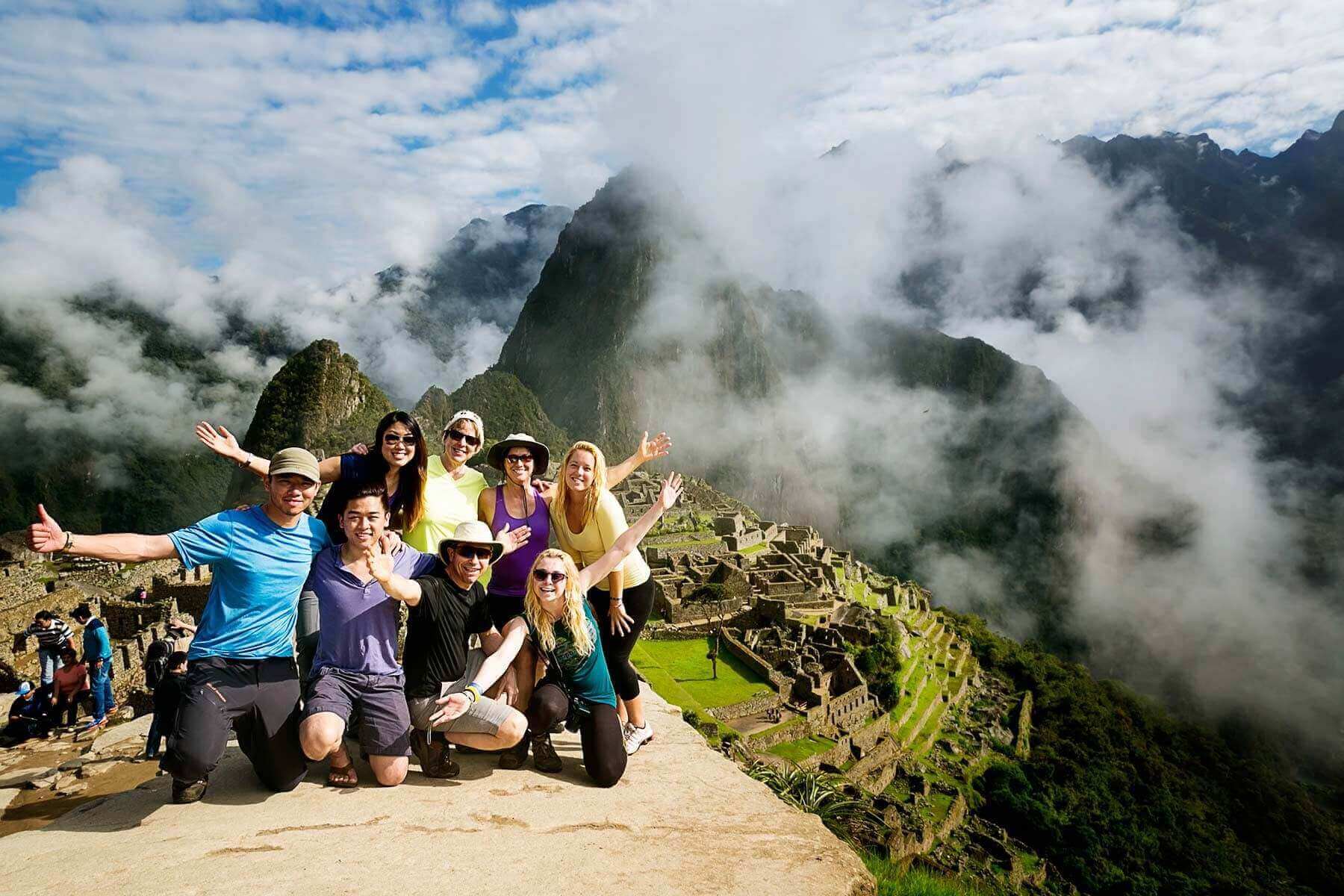
Planning a Machu Picchu Visit 2026 is more than just buying a plane ticket to South America. It is a journey into the heart of the Incan Empire that requires meticulous preparation. As the global travel landscape evolves, the Peruvian authorities have introduced several updates to ensure the preservation of this UNESCO World Heritage site while providing a high-quality experience for every explorer.
In this comprehensive guide, we will break down everything from booking logistics to the physical requirements of the trails. Our goal is to provide you with the most accurate information so your expedition to the Andes becomes the highlight of your life.
Understanding the New Entry Regulations for 2026
The most critical part of your Machu Picchu Visit 2026 is understanding how the ticketing system works. Unlike previous decades where travelers could wander freely, the current administration has implemented a strict “Circuit and Time” policy.
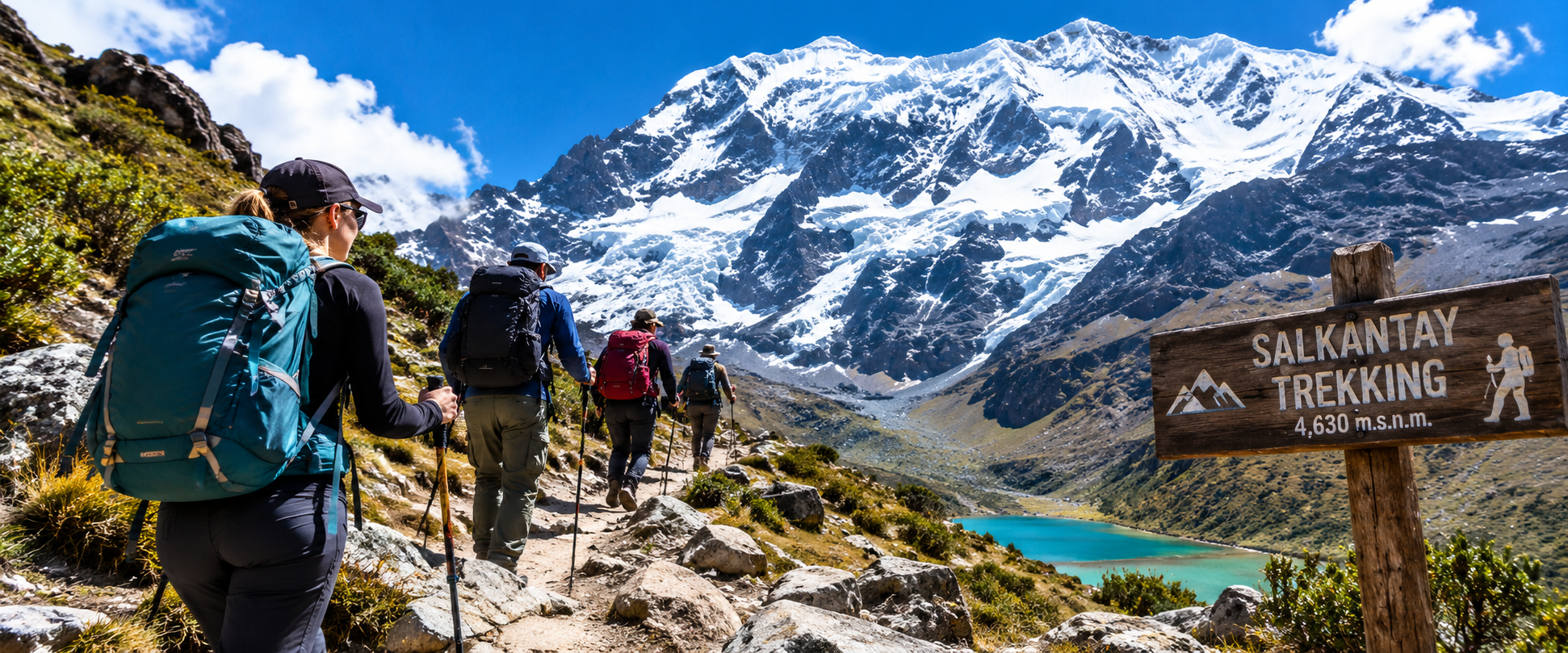
Muchas personas también eligen el senderismo porque les permite descubrir rincones de Perú imposibles de ver desde el tren. Esto hace que el viaje sea más completo y memorable, especialmente para quienes buscan naturaleza, aventura y contexto cultural en un mismo viaje.Sitio del Patrimonio Mundial de la UNESCO
The Hourly Slot System
Every ticket for the sanctuary is now tied to a specific entry hour. This measure was designed to prevent overcrowding at the main viewpoints. If your ticket says 08:00 AM, you have a 60-minute window to enter. Arriving outside of this timeframe may result in a denied entry, emphasizing the importance of punctual logistics.
It is ideal for travelers seeking cultural immersion and history.
Choosing the Right Exploration Path
When booking your itinerary, you must select one of the three main circuits.
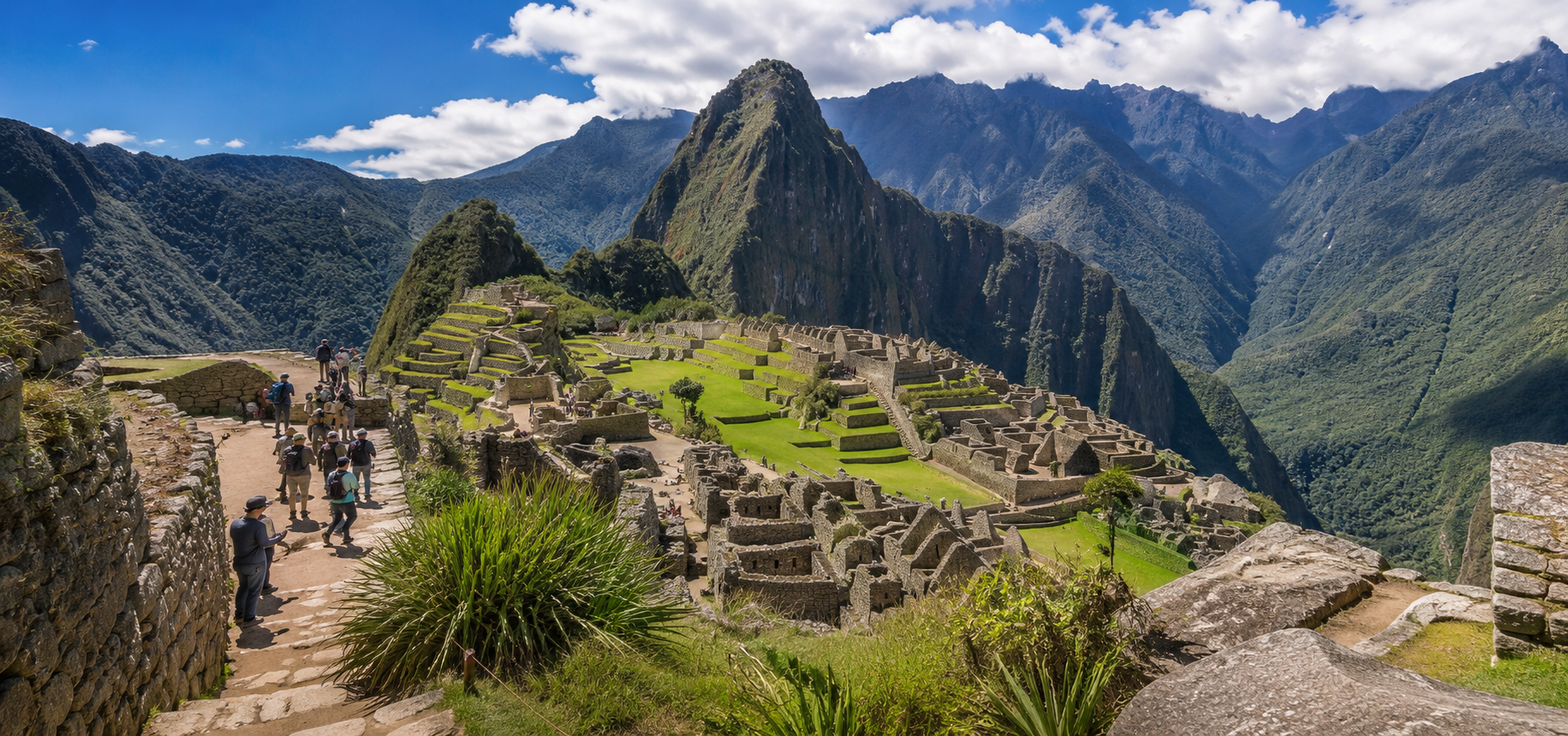
Circuit 1 (Panoramic): Best for those who want the classic photo from the Guardian’s House.
Circuit 2 (The Classic Route): This is the most popular path, covering the Sun Temple, the Main Square, and the Sacred Rock.
Circuit 3 (The Royalty Path): A shorter, lower route ideal for those with limited mobility or those who want to see the Water Fountains.
Logistics: How to Reach the Lost City of the Incas
Getting to the ruins is a multi-step process that starts in the city of Cusco. For your Machu Picchu Visit 2026, you have three primary ways to reach the town of Aguas Calientes (Machu Picchu Pueblo).
The Luxury and Expedition Train Options
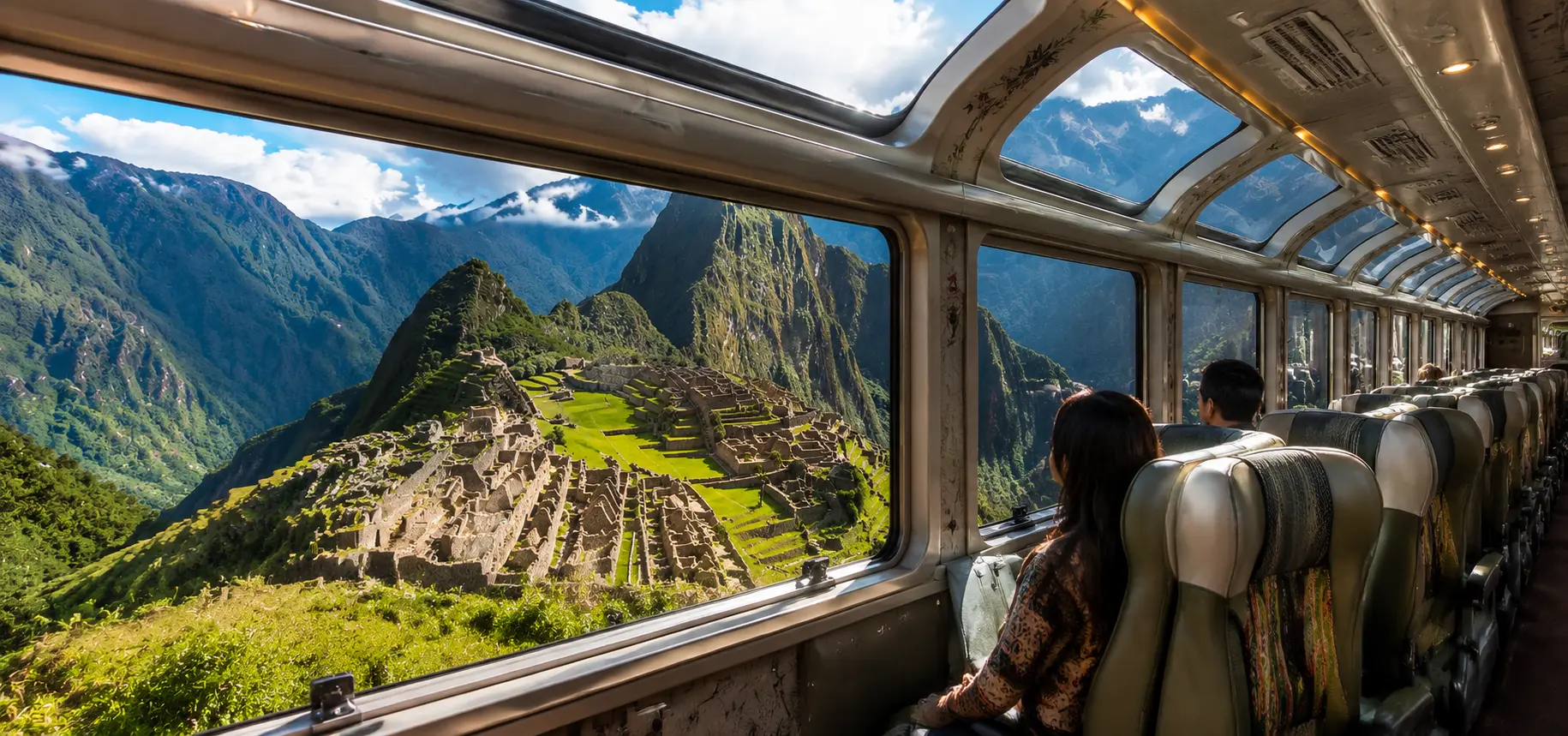
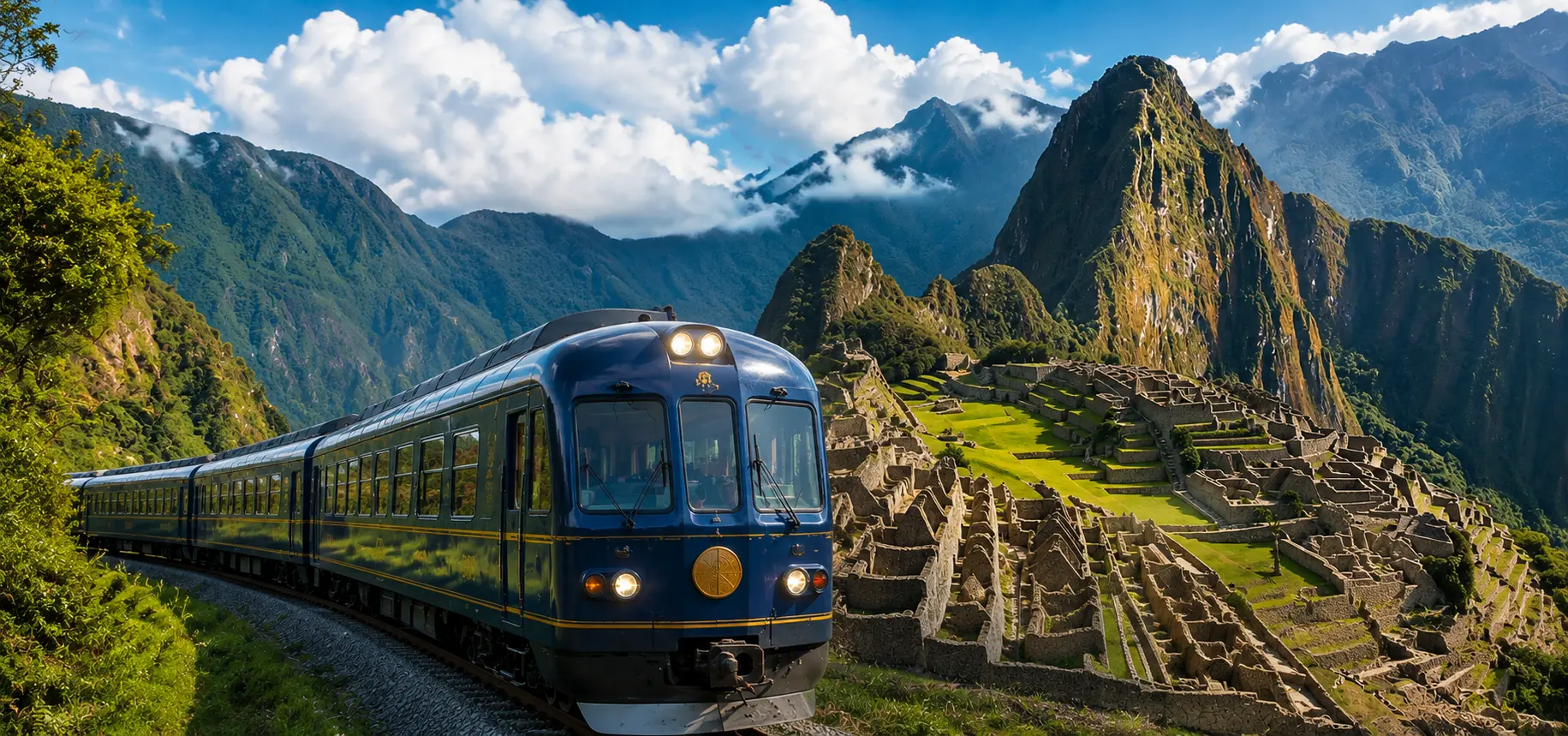
The most comfortable way to travel is by rail. Companies like PeruRail and Inca Rail offer services ranging from the economical “Expedition” class to the ultra-luxury “Hiram Bingham” train. The journey through the Sacred Valley offers stunning views of the Urubamba River and the changing vegetation as you descend into the cloud forest
The Adventurous Trekking Routes
For those seeking a more physical challenge during their Machu Picchu Visit 2026, trekking is the ultimate choice. The classic Inca Trail remains the world’s most famous hike, requiring permits at least 6 months in advance. Alternatively, the Salkantay Trek offers a more rugged, high-altitude experience through snow-capped mountains and coffee plantations.
Essential Health and Physical Preparation
The altitude is a factor that no traveler should overlook. Cusco sits at 3,400 meters, while the ruins are slightly lower at 2,430 meters.
Acclimatization in the Sacred Valley
A professional tip for your Machu Picchu Visit 2026 is to spend your first two nights in the Sacred Valley (Urubamba or Ollantaytambo) instead of Cusco. The lower elevation in the valley helps your body adjust more gently, reducing the risk of altitude sickness (soroche).
It is an excellent option for experienced hikers or travelers looking for a challenge
Physical Training and Gear
Even if you aren’t doing a 4-day trek, you will be walking on uneven stone steps for several hours. We recommend:
Wearing broken-in hiking boots with good ankle support.
Using a small daypack (no larger than 20 liters per official rules).
Staying hydrated with electrolyte-rich water.
Sustainable Travel and Local Impact
As a local agency, we emphasize the importance of “Leave No Trace” principles. Your Machu Picchu Visit 2026 should contribute positively to the local community.
Supporting the Local Economy
Instead of buying mass-produced souvenirs, look for authentic textiles in the markets of Pisac or Chinchero. Supporting local guides and locally-owned restaurants in Cusco ensures that the benefits of tourism reach the families who have protected this land for generation.
Seasonal Planning: When to Go?
The weather in the Andes is divided into two main seasons: the dry season and the rainy season. Choosing the right time for your Machu Picchu Visit 2026 depends on your tolerance for crowds and rain.
The Dry Season (May to September)
Expect clear blue skies and cold nights. This is the peak season, meaning you must book everything well in advance. The views are spectacular, making it the best time for photography.
The Green Season (November to March)
While it rains frequently, the mountains are incredibly lush and green. There are fewer tourists, and you might find better deals on luxury accommodations. Just be prepared with high-quality rain gear.
Professional Photography Tips for the Sanctuary
Every traveler wants that iconic shot. However, the Machu Picchu Visit 2026 regulations are very specific about equipment.
Permitted Equipment
Standard DSLRs and mirrorless cameras are allowed. However, professional setups involving tripods, stabilizers, or drones are strictly prohibited without a government-issued filming permit, which is costly and takes weeks to process.
Best Lighting Conditions
The “Golden Hour” at the ruins occurs shortly after sunrise (around 06:30 AM) and just before sunset. If you have an early entry ticket, head straight to the Guardian’s House for the classic panoramic view before the mist evaporates.
Conclusion: Making Memories in the Andes
A Machu Picchu Visit 2026 is a transformative experience that stays with you forever. By respecting the local regulations, preparing your body for the altitude, and choosing the right tour operator, you ensure that this ancient wonder remains preserved for future generations.
The energy of the stones, the history of the Incas, and the be
The rainy season can still offer beautiful scenery, but it often brings muddy trails and lower visibility. Before booking any trek, travelers should check updated local forecasts and seasonal conditions.
The rainy season (December to March) is less recommended, and the Inca Trail closes in February for maintenance.