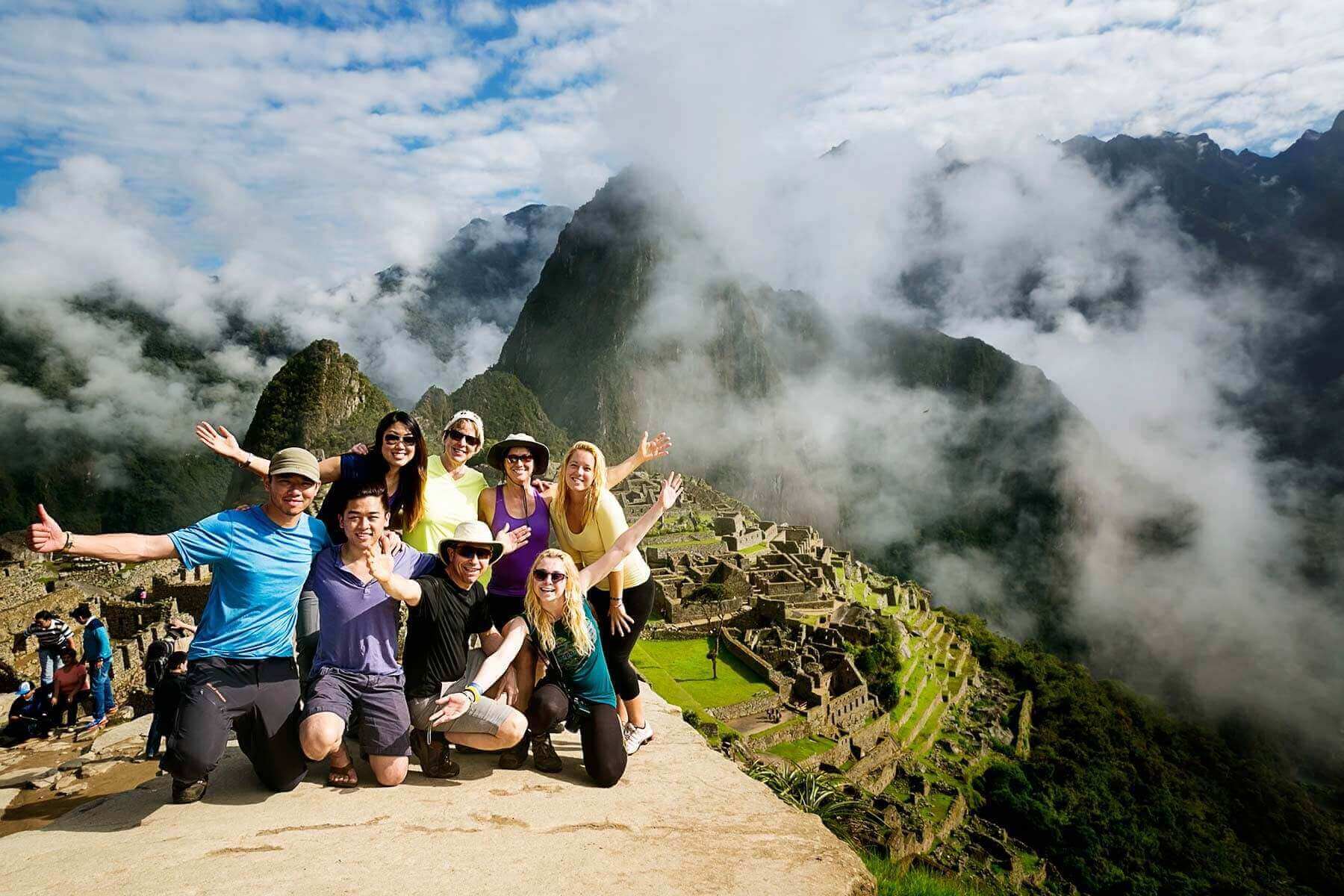
Deciding between the Salkantay trek vs Inca Trail is one of the most common dilemmas travelers face when planning their route to Machu Picchu. However, both treks lead to the same destination through very different experiences. In this guide, we compare difficulty, scenery, price, and permits so you can confidently choose the trek that best fits your travel style.
Salkantay Trek vs Inca Trail: A Quick Overview
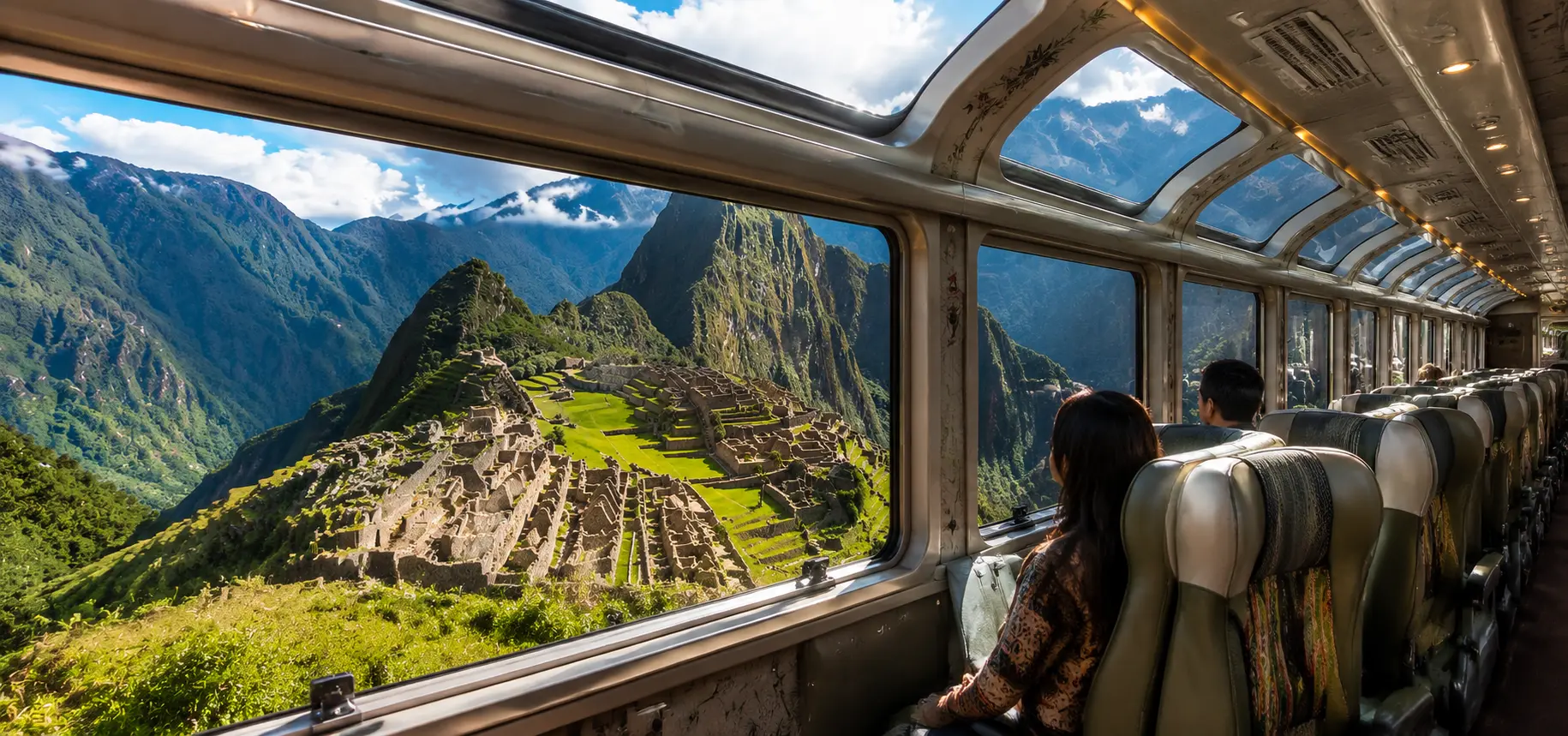
Before diving into the details, it helps to understand the basic difference. On one hand, the Inca Trail is a historic, permit-controlled path that ends by walking directly through the Sun Gate into Machu Picchu. On the other hand, the Salkantay trek is a more rugged mountain route that ends by joining the train or bus into Aguas Calientes.
Therefore, the choice often comes down to whether you value historical significance or dramatic, high-altitude scenery. Either way, both routes are considered among the best treks in Peru.
What Is the Inca Trail?
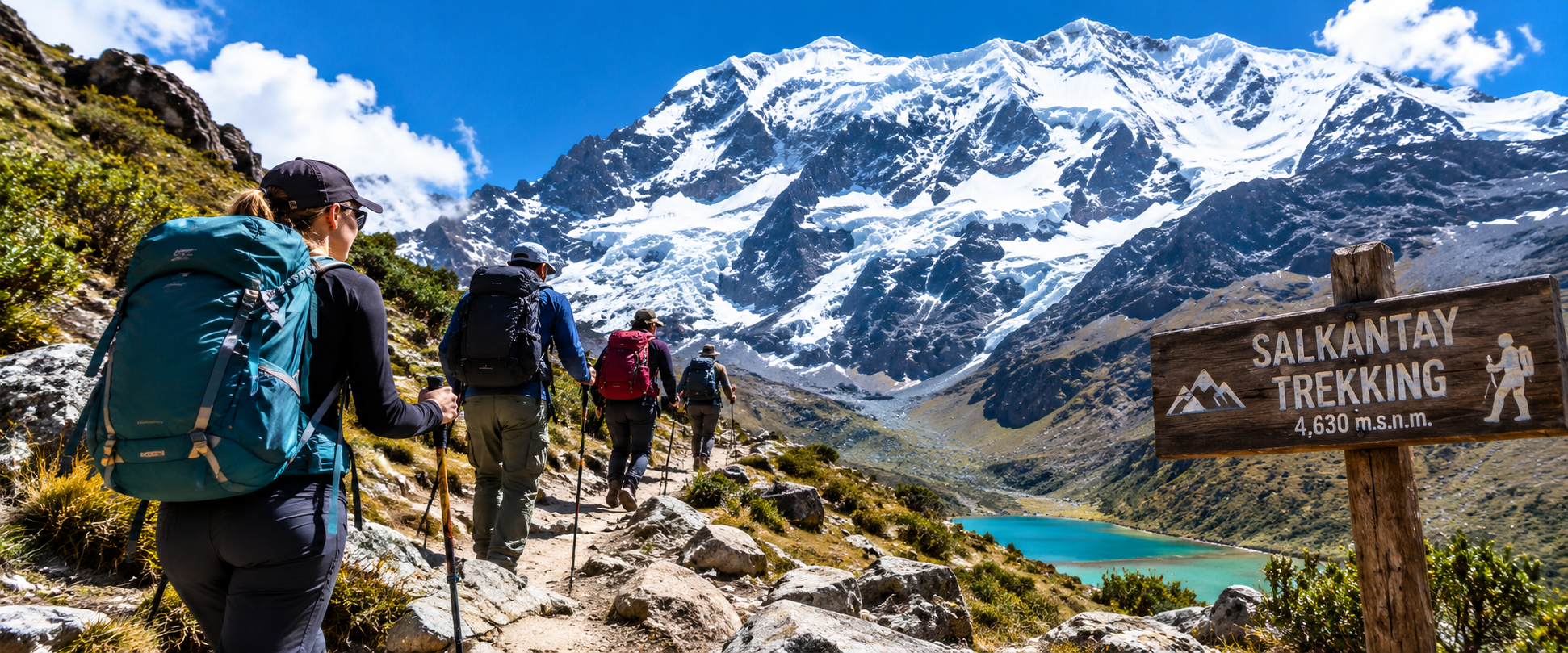
In contrast, the Salkantay trek is a 5-day route that circles the massive Salkantay mountain, reaching altitudes above 4,600 meters. Unlike the Inca Trail, it does not require a permit, which makes it far easier to book on short notice.
Furthermore, the trek combines snow-capped peaks, high-altitude lagoons, and cloud forest landscapes, before descending toward Hidroeléctrica and continuing to Aguas Calientes by foot or train.
Salkantay Trek vs Inca Trail: Difficulty and Physical Demand
Inca Trail Difficulty
The Inca Trail is considered moderately difficult, mainly due to the notorious “Dead Woman’s Pass,” which reaches 4,215 meters. Nevertheless, the trail itself is well maintained, and the overall distance is shorter than Salkantay.
It is ideal for travelers seeking cultural immersion and history.
Salkantay Trek Difficulty
Meanwhile, the Salkantay trek is generally regarded as more physically demanding. Indeed, its highest pass reaches over 4,600 meters, and the daily walking distances tend to be longer. As a result, a good baseline of physical fitness is recommended.
Ultimately, the best option for you depends on your budget, your starting point, and how much comfort you want during the journey. You can check real-time availability and official pricing directly on the PeruRail official website and the Inca Rail official website.
Routes: Ollantaytambo vs Cusco Departures
Understanding the different routes will help you plan your trip more efficiently.
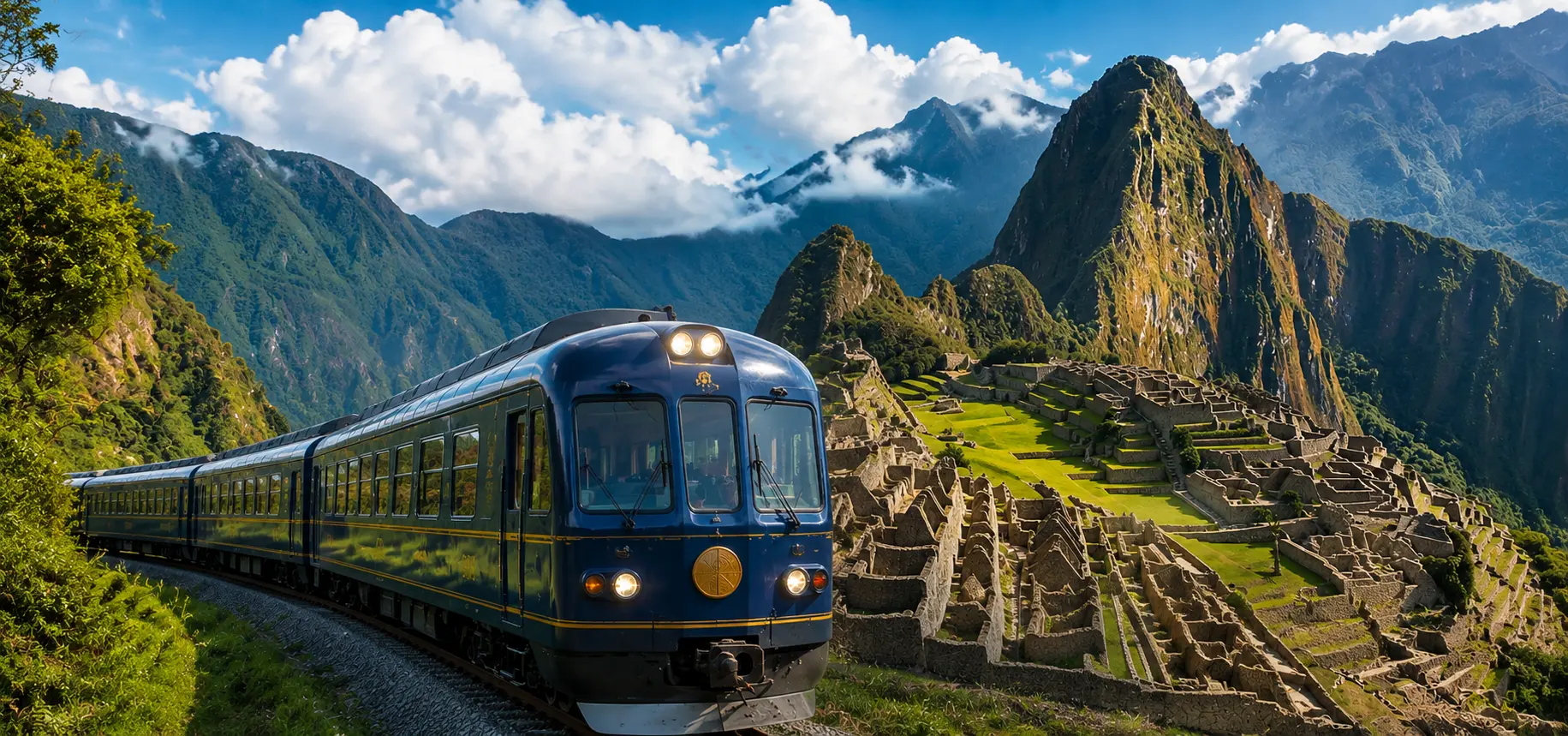
- Cusco (Poroy) to Aguas Calientes: This route takes around 3.5 to 4 hours. It is convenient if you are staying in Cusco city, although it is generally more expensive.
- Ollantaytambo to Aguas Calientes: This is the shortest and most popular route, taking around 1.5 to 2 hours. Most travelers combine a visit to the Sacred Valley with this departure point.
- Urubamba to Aguas Calientes: A less common option, mostly offered seasonally by PeruRail.
For this reason, most tour operators, including our agency, recommend spending the previous night in the Sacred Valley. If you want to see how this works in practice, read our detailed guide on how to get from Ollantaytambo to Machu Picchu by train.
Salkantay Trek vs Inca Trail: Scenery and Highlights
When comparing scenery, the Salkantay trek vs Inca Trail debate often comes down to personal taste. Specifically, the Inca Trail offers a rich concentration of Inca ruins, including Llactapata and Wiñaywayna, along with cloud forest views.
In contrast, Salkantay is famous for dramatic high-mountain landscapes, glacial lagoons such as Humantay Lake, and a rare mix of snow peaks with tropical jungle lower down. Above all, both routes offer unforgettable views, just of very different kinds.
Salkantay Trek vs Inca Trail: Price and Permits
In terms of cost, prices for both treks vary depending on the operator, group size, and included services. Generally speaking, Salkantay tends to be somewhat more affordable, mainly because it does not require a limited government permit.
The Inca Trail, on the other hand, requires official permits that sell out months in advance, particularly during the June-to-August high season. Therefore, if flexibility matters to you, Salkantay is usually the easier option to arrange on shorter notice. You can check current permit regulations directly on the official Machu Picchu government website.
Which Ends Closer to Machu Picchu?
Which Ends Closer to Machu Picchu?
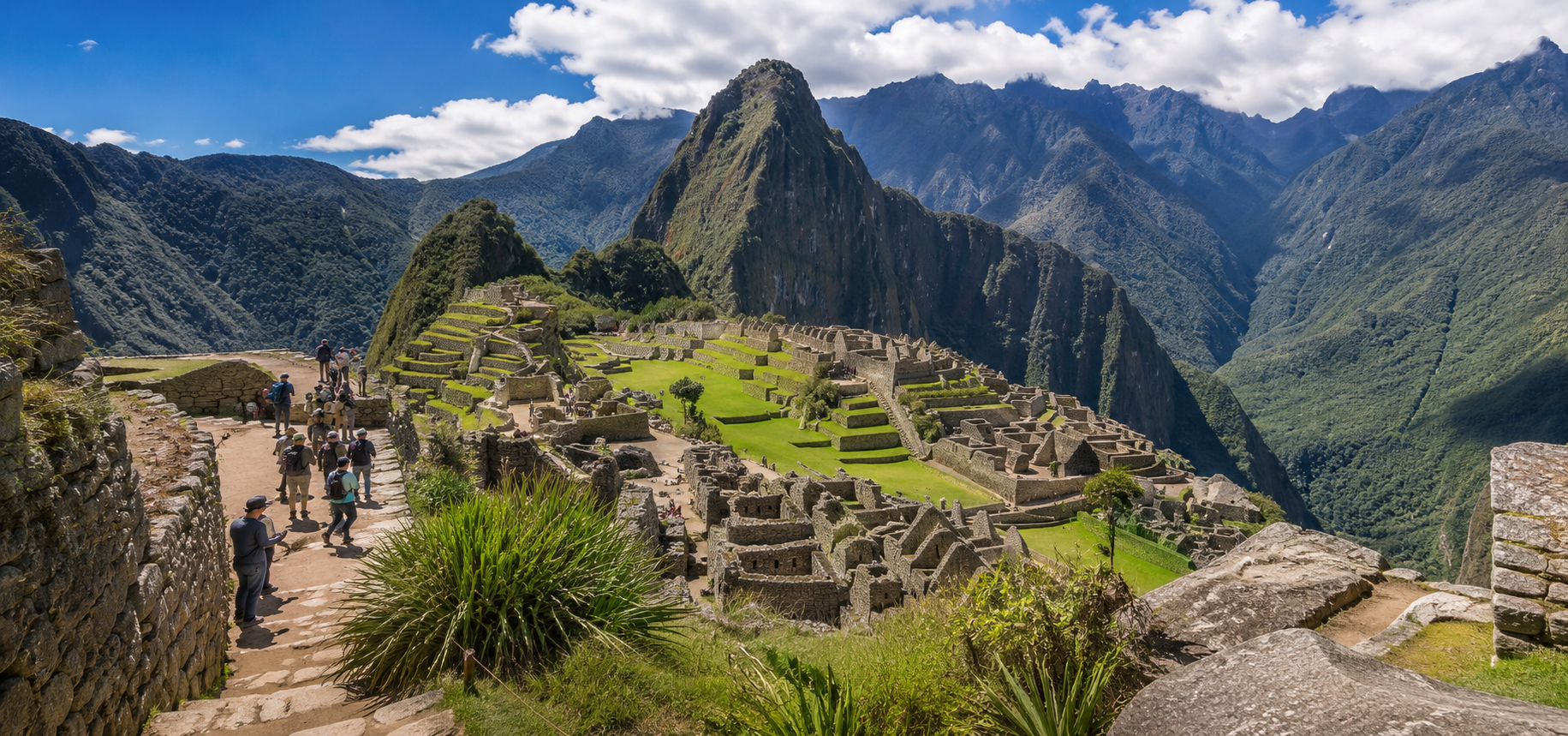
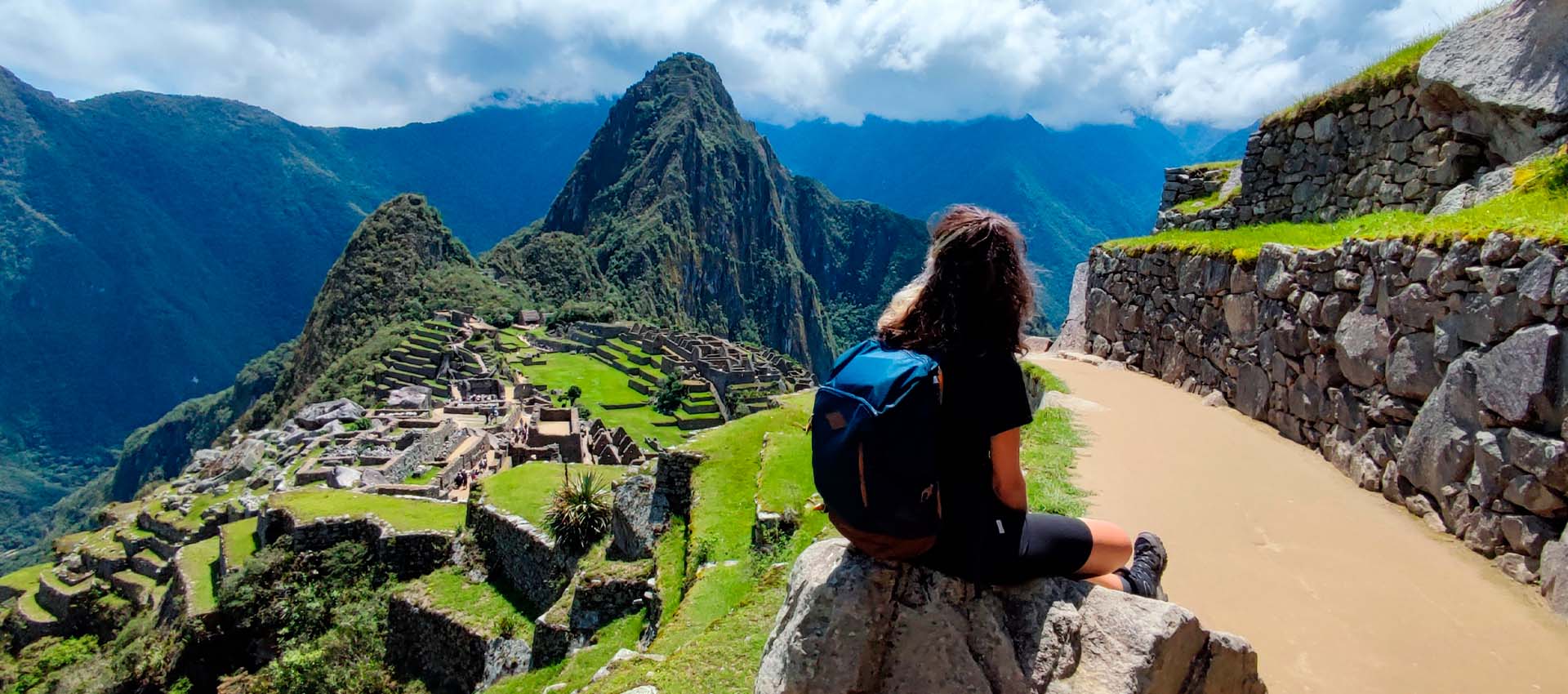
It is also worth noting that only the Inca Trail ends by walking directly into the citadel through the Sun Gate. Salkantay, in comparison, ends in Aguas Calientes, from where hikers still need to take a bus or hike up separately the next morning.
For details on that final stretch, our guide on how to get to Machu Picchu explains the bus and walking options from Aguas Calientes in more depth.
Above all, keep your camera ready. Indeed, the final stretch before Aguas Calientes offers some of the most photogenic views of the entire trip, with the Vilcanota mountain range framing the valley.
Which One Should Beginners Choose?
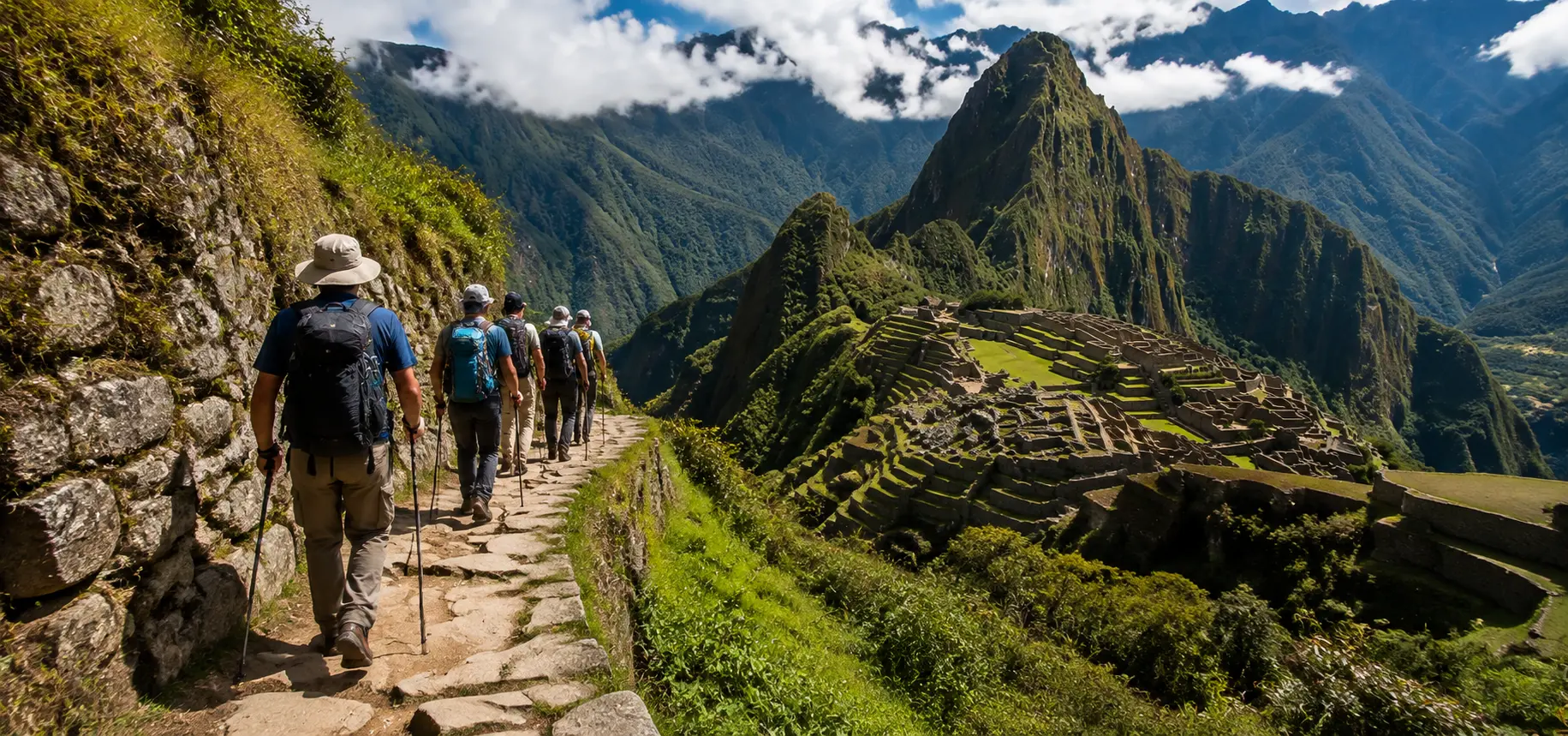
For first-time trekkers, the Inca Trail is often considered slightly more approachable, mainly because of its shorter distance and well-established infrastructure. Likewise, its cultural stops along the way help break up the physical effort with historical context.
Nevertheless, beginners in good physical condition can absolutely handle Salkantay too, especially with a reputable guide managing the pace. In either case, proper acclimatization in Cusco beforehand makes a significant difference. If you would like to combine acclimatization with a shorter cultural experience first, our Sacred Valley and Machu Picchu tour is a great starting point.
Tips for Choosing Between the Two Treks
To help you decide, consider these quick guidelines:
- Choose the Inca Trail if you want to walk directly into Machu Picchu through the Sun Gate and don’t mind booking far in advance.
- Choose Salkantay if you prefer dramatic mountain scenery, more flexibility, and a generally lower price.
- Book early either way. Permits for the Inca Trail sell out fast, and Salkantay slots fill up quickly during peak season too.
- Train properly. Both treks involve high-altitude walking, so cardiovascular preparation beforehand is highly recommended.
- Ask about combined options. Some itineraries combine part of the Salkantay route with a shorter Inca Trail segment for a hybrid experience.
Since Salkantay does not yet have its own dedicated tour page on our site, feel free to contact our travel agency in Cusco directly, or browse our full range of multi-day trekking tours to see current availability.

Frequently Asked Questions About Salkantay Trek vs Inca Trail
Is Salkantay Trek Harder Than Inca Trail?
Generally speaking, yes. Salkantay reaches a higher altitude and involves longer daily distances, making it somewhat more demanding overall.
Which Is Cheaper, Salkantay Trek or Inca Trail?
In most cases, Salkantay is the more budget-friendly option, largely because it doesn’t require an expensive, limited government permit.
Do both treks end at Machu Picchu?
Yes, although differently. The Inca Trail ends by walking directly into the citadel, while Salkantay ends in Aguas Calientes, with a separate bus ride or hike the next day.
Which trek should I book further in advance?
The Inca Trail requires the most advance planning, since permits are limited and often sell out three to six months ahead, especially in high season.
Final Thoughts
In conclusion, there is no single winner in the Salkantay trek vs Inca Trail comparison, since each route rewards a different kind of traveler. Choose the Inca Trail for its history and iconic entrance through the Sun Gate, or choose Salkantay for its dramatic mountain scenery and greater flexibility.
Whichever route you choose, proper planning makes all the difference. If you would like personalized advice on which trek fits your fitness level and travel dates, contact our team in Cusco and we will help you decide.